Water Pressure Tank Repair
We repair potable-water pressure tanks for homes, checking tank size and connections; replacement commonly runs $800–$2,500, driven by tank size and installation access.
A shower that abruptly weakens or a faucet that nearly stops can mean the water system has lost pressure, not just flow at one fixture. Long winters increase frozen-pipe and well-system risks, so Alaska Plumbing Pros helps homeowners track down sudden pressure loss, including in communities near Denali National Park and Preserve and Gates of the Arctic National Park and Preserve.
Browse all service options available across Alaska and choose the right fit for your project.
We repair potable-water pressure tanks for homes, checking tank size and connections; replacement commonly runs $800–$2,500, driven by tank size and installation access.
Booster Pump Repair covers pump diagnostics and component fixes for homes with inconsistent supply; typical repairs run $300–$1,200, depending on parts and diagnostics.
Well Pump Repair covers pump testing and repairs for homes, with replacement costs of $1,200–$4,500 depending on pump depth and type.
We repair leaking water lines for homeowners and contractors, including accessible pipe sections and excavation; repairs commonly run $400–$3,000 depending on pipe access.
Frozen Pipe Repair for Alaska homes includes locating and safely thawing frozen pipe sections; access, pipe material, and any split line affect the job scope.
We repair residential pressure regulators, checking valve condition and system readings; access and regulator size shape the job, typically $150–$400.
We repair or replace household shutoff valves, including accessible copper and PEX connections; typical jobs run $150–$500 depending on access and valve condition.
Clear clogged residential water lines and inspect accessible pipe sections; typical jobs run $250–$1,500, with price driven by blockage and access.
We repair well pressure switches for homeowners, including switch and wiring access; typical replacement runs $200–$600, depending on access.
Goulds Well Pump Repair covers residential pump diagnosis and component repairs; access, pump depth, and parts availability shape the job cost.
We repair residential water softeners, including control and resin-bed issues; diagnostic work is $100–$300, depending on testing and travel.
Shallow Well Pump Repair covers pump, foot-valve, and check-valve faults for private-well homes; access, pump type, and well depth shape the job cost.
Sediment Filter Replacement clears packed grit from residential filter housings; typical cartridge jobs run $150–$450, depending on filter size and access.
Air-in-line diagnosis and repair for Alaska homes, including accessible water-line checks; typical service runs $150–$500, depending on access and repair scope.
Submersible pump repair for Alaska homes includes well-depth and pump checks; replacement work typically runs $1,200–$4,500, depending on depth and pump type.
Grundfos Booster Pump Repair in Alaska: diagnose pump faults, inspect controls, and repair components. Call (877) 773-0781 for a scope review.
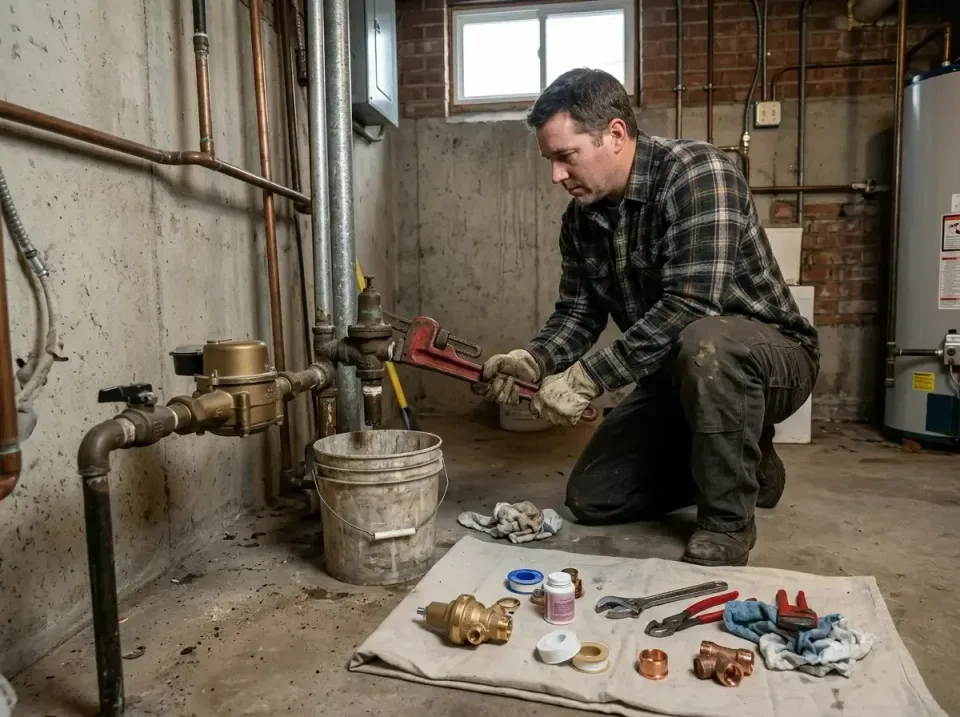
A faucet that loses force while water is running calls for a comparison, not an immediate parts swap. Our crew records pressure at rest and during flow, then checks the gauge and pressure switch response against the system’s cut-in and cut-out points. The readings tell us where to look next.
Spring thaw can expose shifting or damaged water lines, so we ask about changes in yard conditions when pressure drops after seasonal ground movement. Near the Alaska State Capitol, that local reference helps frame service coverage, while exposed plumbing also deserves attention because high winds can damage outdoor components and leave a system vulnerable. We inspect what is accessible before recommending a repair.
We explain the readings and repair scope in plain language, then discuss the next practical step. For a scope review, call Alaska Plumbing Pros at (877) 773-0781.
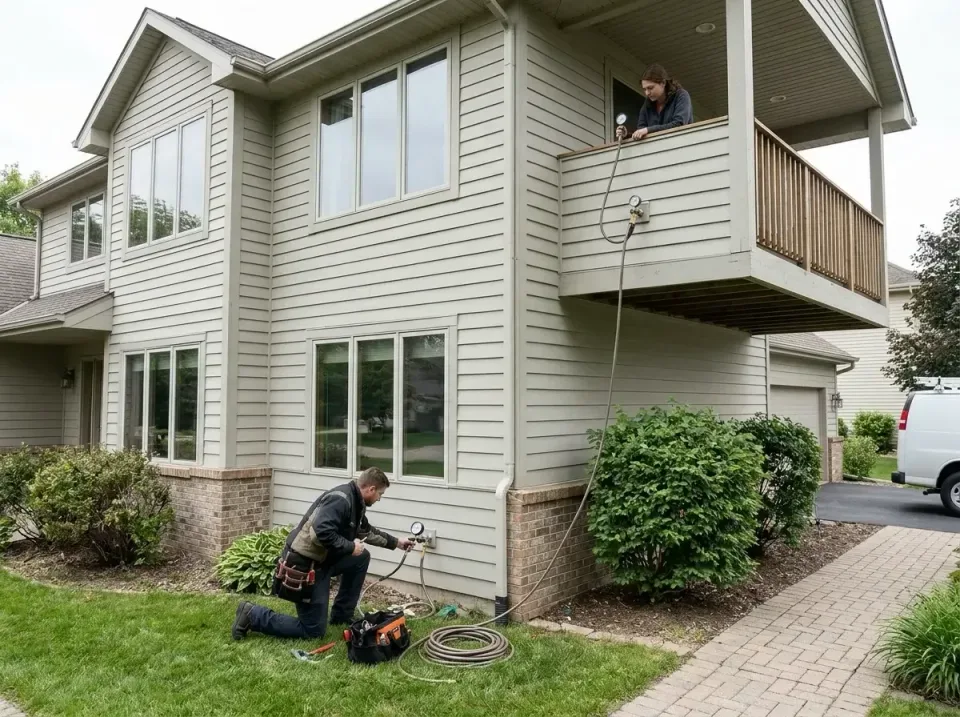
We begin by confirming which fixtures are affected and when the pressure change occurs. That gives the visit a clear direction.
Next, we measure pressure at rest and while water is flowing; those readings can differ, so a single static gauge number may miss the problem. We inspect accessible controls and connections, then explain what the evidence supports before recommending work.
If a pressure switch is involved, its settings must be assessed against the equipment rather than adjusted by guesswork. We also discuss the repair scope and access needs before work begins.
Heavy snowfall can obstruct outdoor equipment access, so clear a safe path to the well or utility area before the visit if conditions allow. In Anchorage, the Alaska Native Heritage Center is a recognizable service-area landmark; remote scheduling may need more coordination than a city appointment. For background on interpreting pressure patterns, read what to check before calling about low pressure.
A sudden drop near Ketchikan Creek Street or elsewhere in Alaska can tempt a homeowner to adjust a control before knowing what the readings mean. That can hide the original fault.
Our crew records pressure both at rest and during flow, checks how the controls respond, and explains the finding before proposing a repair. That distinction matters because a brief normal reading does not prove the system maintains pressure while fixtures are running. We also consider access and seasonal conditions instead of assuming every property has the same setup.
Southcentral winters bring prolonged freezing temperatures, so exposed portions of a system deserve careful inspection rather than a quick adjustment. Summer temperatures vary widely across Alaska, too; seasonal conditions can change site access and what should be checked.
Around the Mendenhall Glacier Visitor Center, changing weather is a practical reminder to plan exterior work around conditions. We leave you with a clear scope and a chance to ask questions before work proceeds.
A sudden loss may need testing only, or it may lead to repair work once the source is confirmed. The scope matters.
Pressure diagnosis commonly runs $100–$300, with testing time and travel affecting the visit. If findings point to a pressure switch, replacement is often $200–$600; wiring access and the condition of the connection affect labor.
A pressure tank replacement may range from $800–$2,500, depending on tank size and installation access. Those are distinct possible repairs, not charges that automatically stack together.
Snowmelt can raise groundwater around basements, making access to a low utility area more difficult and sometimes changing the work setup. Near Katmai National Park and Preserve or Seward Harbor, travel and site access can also shape scheduling and the final scope.
For a case involving pressure changes after pump cycling, see Alaska’s pressure tank and pump-cycling guide. Final quotes vary by repair scope, equipment, access, and site conditions; call (877) 773-0781 for a job-specific quote.
A pressure gauge needle that jumps or fails to settle is worth noting. It may point to a pressure-control issue before household flow changes become obvious. Avoid adjusting the switch yourself; record what you observe and ask the technician to inspect the system.
Moisture around the pressure tank or nearby fittings can be an early warning that a connection needs attention. Keep the area clear and look for whether the dampness returns. A technician can inspect the tank and water lines as part of diagnosing pressure trouble.
Ask whether the work requires a permit and who will confirm local requirements. Alaska Plumbing Pros is a licensed and insured plumbing contractor, with journeyman plumber certification for qualifying field staff. Clarifying responsibility helps you understand what applies to your specific repair before work begins.
Before authorizing work, ask for the agreed repair scope, any exclusions, and how changes will be discussed. Clear terms help prevent misunderstandings about which components are being serviced and what happens if inspection reveals another issue. Request the details in writing before approving the repair.
Coastal humidity and salt air accelerate corrosion, so have exposed plumbing components checked when pressure changes; Fairbanks International Airport and Hatcher Pass are familiar Alaska service-area landmarks, and Alaska Plumbing Pros can review your Sudden Water Pressure Loss scope at (877) 773-0781.
Yes, a power interruption can leave an electrically powered water system unable to restore pressure normally, so note whether the loss began when power returned. If the pressure remains low, avoid opening electrical controls and have the pressure readings and system response checked.
Southeast Alaska has a maritime, rainy climate, so outdoor equipment and exposed connections face persistently wet conditions. If pressure drops, note visible corrosion or damp areas without disturbing wiring, then arrange an inspection of accessible components.
Yes, Nome Airport is a useful reference for understanding how far apart Alaska communities can be, and travel planning can affect when a site visit is practical. Share your location and access constraints when requesting an assessment so scheduling can account for them.
Note which fixtures lose flow, whether the drop happens during simultaneous use, and whether the pressure changes after power interruptions. If you are near Pioneer Park, as elsewhere in Alaska, the landmark helps identify a general area, but your community and property access details are more useful for arranging service.
Yes, Prudhoe Bay is in a region where severe conditions can make access and exposed equipment considerations especially important. Describe the timing of the pressure change and any visible damage, and avoid attempting adjustments to electrical or pressurized components.
Select a city to find local low water pressure repair providers we cover in Alaska.