Water Pressure Tank Repair
We repair potable-water pressure tanks for homes, checking tank size and connections; replacement commonly runs $800–$2,500, driven by tank size and installation access.
Spitting taps and sputtering fixtures can point to air trapped in a water line, but the source may be in the supply or plumbing system. Alaska Plumbing Pros handles air-in-line concerns across Alaska, where a careful diagnosis can help distinguish a brief disturbance from a problem that needs repair.
Browse all service options available across Alaska and choose the right fit for your project.
We repair potable-water pressure tanks for homes, checking tank size and connections; replacement commonly runs $800–$2,500, driven by tank size and installation access.
Booster Pump Repair covers pump diagnostics and component fixes for homes with inconsistent supply; typical repairs run $300–$1,200, depending on parts and diagnostics.
Well Pump Repair covers pump testing and repairs for homes, with replacement costs of $1,200–$4,500 depending on pump depth and type.
We repair leaking water lines for homeowners and contractors, including accessible pipe sections and excavation; repairs commonly run $400–$3,000 depending on pipe access.
Frozen Pipe Repair for Alaska homes includes locating and safely thawing frozen pipe sections; access, pipe material, and any split line affect the job scope.
We repair residential pressure regulators, checking valve condition and system readings; access and regulator size shape the job, typically $150–$400.
We diagnose sudden household pressure drops, testing flowing and static readings and system controls. Typical diagnostic visits run $100–$300, depending on testing and travel.
We repair or replace household shutoff valves, including accessible copper and PEX connections; typical jobs run $150–$500 depending on access and valve condition.
Clear clogged residential water lines and inspect accessible pipe sections; typical jobs run $250–$1,500, with price driven by blockage and access.
We repair well pressure switches for homeowners, including switch and wiring access; typical replacement runs $200–$600, depending on access.
Goulds Well Pump Repair covers residential pump diagnosis and component repairs; access, pump depth, and parts availability shape the job cost.
We repair residential water softeners, including control and resin-bed issues; diagnostic work is $100–$300, depending on testing and travel.
Shallow Well Pump Repair covers pump, foot-valve, and check-valve faults for private-well homes; access, pump type, and well depth shape the job cost.
Sediment Filter Replacement clears packed grit from residential filter housings; typical cartridge jobs run $150–$450, depending on filter size and access.
Submersible pump repair for Alaska homes includes well-depth and pump checks; replacement work typically runs $1,200–$4,500, depending on depth and pump type.
Grundfos Booster Pump Repair in Alaska: diagnose pump faults, inspect controls, and repair components. Call (877) 773-0781 for a scope review.
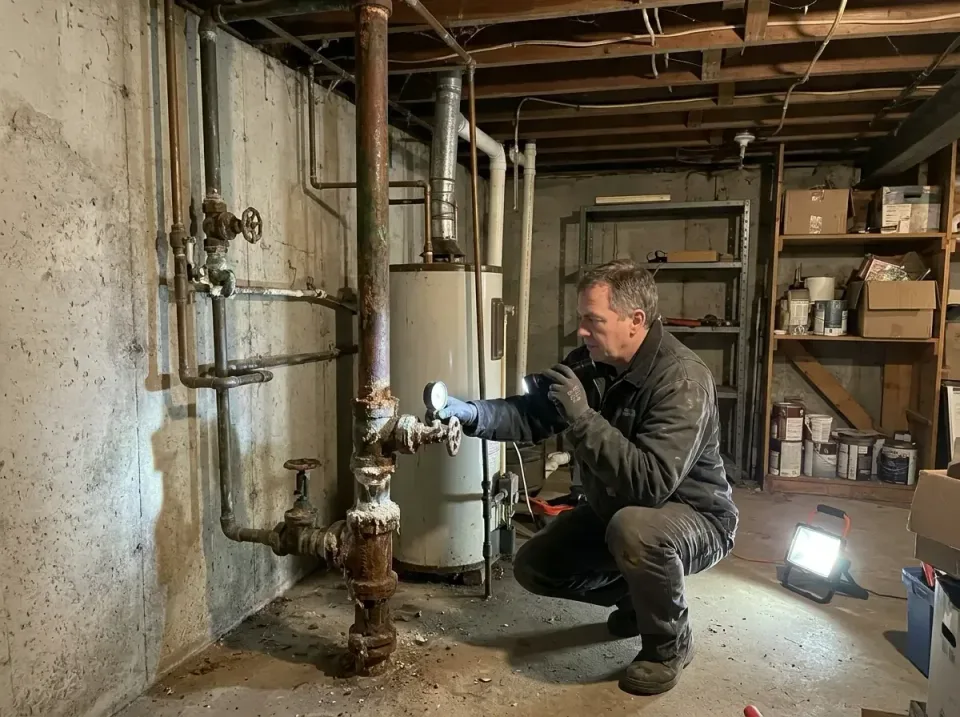
Air in Water Line Repair starts with finding where air enters or remains in the plumbing, rather than changing parts by guesswork. We compare pressure readings with water flowing and at rest, then inspect accessible connections and components for a fitting that draws air or a condition that interrupts the supply.
Spring thaw can reveal shifting or damaged water lines; if a buried run has moved, a homeowner may notice recurring sputtering and need the line inspected. Near Fairbanks International Airport, our Alaska crew also considers how system layout and access affect the work. Coastal humidity and salt air accelerate corrosion on exposed metal fittings, so those parts may need closer examination.
We explain what we find and define the repair scope before work begins. For a review, call (877) 773-0781.
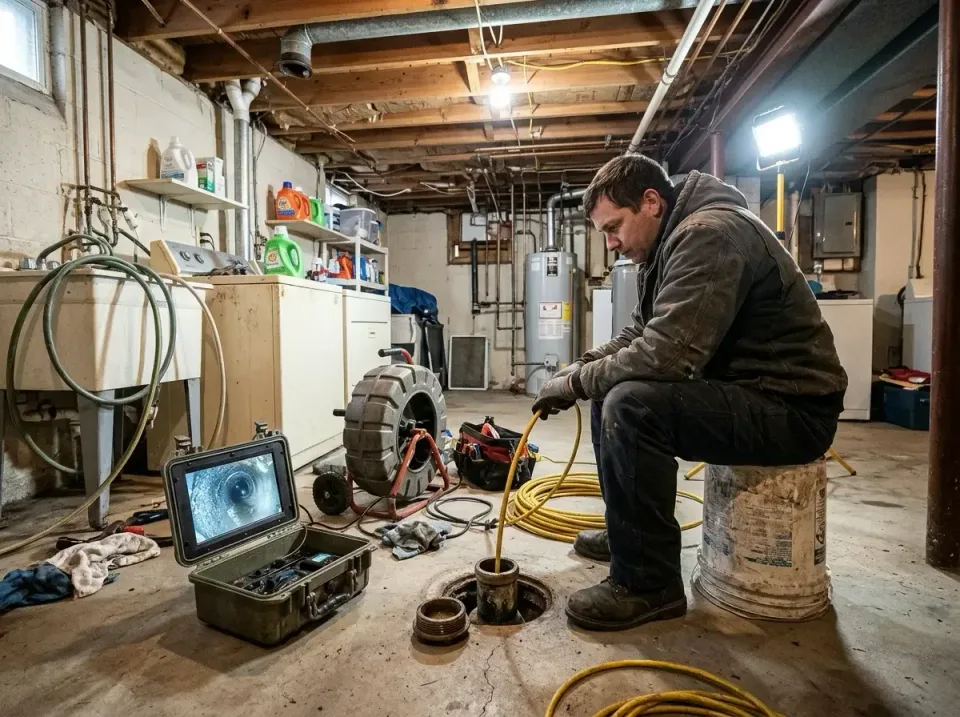
We begin by recording when the air appears and which fixtures are affected, then ask whether the symptom followed a service interruption or recent plumbing work. A short note or phone video can help show the pattern.
Next, we inspect accessible water-line connections and compare readings with water flowing and at rest. The difference matters: a single static reading may not show what happens as fixtures draw water. We explain the evidence before proposing a repair.
If a property is near Nome Airport, seasonal travel and access can affect when an inspection can be arranged; tell us about road or site limits when scheduling. Around the Anchorage Alaska Railroad Depot, older or varied property layouts may also make clear access details useful, without implying a particular home condition.
The Anchorage Museum is a familiar local reference, but each service visit is planned for the property itself. Share photos of the affected taps and clear access to visible plumbing; we’ll review the scope and discuss a practical schedule.
A sputtering tap at a University of Alaska Fairbanks-area home can invite trial-and-error fixes, but changing a fitting without locating the entry point may leave the symptom untouched. We trace the affected section first.
On properties reached from the Alaska Highway, access and travel planning can shape what equipment and repair materials are practical to bring. Heavy snowfall can obstruct outdoor equipment access, so we ask about clear paths before setting up at exposed plumbing. That preparation helps avoid a visit that cannot reach the relevant connection.
Our crew explains which observations support the diagnosis and what remains uncertain before recommending work. We also distinguish a problem limited to one fixture from air or interrupted supply affecting several outlets.
Near the Alaska Native Heritage Center, as elsewhere in the state, the home’s actual pipe layout not a generic assumption guides our inspection. For background on our approach, see Alaska Plumbing Pros. If the sputtering persists, we can assess the line and discuss a repair suited to the site.
A single sputtering tap may take less investigation than a symptom appearing throughout a home. The main price drivers are diagnostic time, access to the affected line, and the repair’s scope. Final quotes vary by repair scope, equipment, access, and site conditions.
For context, pressure-system diagnosis is listed at $100–$300, with testing and travel affecting the total. If a leaking line is identified instead of an air-entry issue, water line leak repair is listed at $400–$3,000, driven by excavation and pipe access.
Those figures describe related diagnostic or repair work, not a guaranteed price for every air-in-line call. We inspect before recommending replacement, because the suspected source may be a connection or a broader supply condition.
Near Anchorage 5th Avenue Mall, site access can differ from a rural property; that affects how we plan testing, not a preset rate. Call (877) 773-0781 for a scope review and final quote.
Cloudy water that clears after standing may contain tiny air bubbles. Check whether the appearance repeats at different fixtures and note any changes in flow. If cloudiness persists or the water looks discolored, mention that too so the technician can assess other possible causes.
Banging or knocking pipes can be an early sign of air moving through the water lines. Pay attention to when the sound occurs, such as when a faucet opens or closes. In Alaska, exposed piping also needs protection from freezing during service.
Restoring Steady Flow
Before: After a power outage, water pressure may be weak or inconsistent as the well system resumes operation. The pump, pressure switch, tank, regulator, and water lines may need inspection to identify whether air in the line is part of the problem.
After: The technician checks the system components and records pressure readings before adjusting switch settings. Once the repair is complete, the crew verifies water flow and pump cycling. The customer gets a diagnosis and a practical repair plan based on the system’s condition.
Permit requirements can depend on the work and location. Ask the provider to explain whether permits apply, who handles them, and what approval is needed before work begins. Alaska Plumbing Pros is a licensed and insured plumbing contractor; qualifying field staff hold Alaska journeyman plumber certification.
Ask how the written scope, changes to the work, payment terms, and completion expectations are documented. Reviewing these details before authorizing a repair helps prevent misunderstandings about what is included. Request an explanation of any terms you do not understand before agreeing to proceed.
Seasonal road access can affect scheduling in remote areas, and Southcentral winters bring prolonged freezing temperatures that make clear site details useful; call Alaska Plumbing Pros at (877) 773-0781 to discuss Air in Water Line Repair.
Yes, Southeast Alaska’s maritime, rainy climate can make exterior access and inspection conditions less predictable, so share any site-access limits when arranging a visit. Southeast communities receive substantial year-round rainfall, which is a reason to describe where the affected plumbing is located rather than assume it is indoors.
Yes, tell the plumber if the home is near a coastal area, since exposure can help guide which accessible fittings deserve inspection. Kodiak National Wildlife Refuge is a regional reference, but the relevant detail is your own property’s location and plumbing exposure.
Yes, give Alaska Plumbing Pros your location and any access constraints so the visit can be planned for the property. Sitka National Historical Park is a local landmark, while the practical scheduling detail is whether the affected plumbing can be reached safely.
Yes, describe when the sputtering began and whether it followed a cold spell, but do not try to open or heat plumbing yourself. Interior Alaska experiences extreme winter cold, so include any exposed or hard-to-reach line locations when requesting an inspection.
Send a short video of the sputtering, identify which fixtures are affected, and note whether it happens during use or at startup. The Wasilla Museum and Visitors Center is a familiar local point, but your address and property access details are what help us plan the visit.
Select a city to find local low water pressure repair providers we cover in Alaska.