Water Pressure Tank Repair
We repair potable-water pressure tanks for homes, checking tank size and connections; replacement commonly runs $800–$2,500, driven by tank size and installation access.
A frozen line can leave a faucet dry or split a pipe behind a wall; thawing it without checking for damage can turn a blockage into a leak. Alaska Plumbing Pros handles frozen-pipe repairs across Alaska, where access and the affected pipe material shape the work.
Browse all service options available across Alaska and choose the right fit for your project.
We repair potable-water pressure tanks for homes, checking tank size and connections; replacement commonly runs $800–$2,500, driven by tank size and installation access.
Booster Pump Repair covers pump diagnostics and component fixes for homes with inconsistent supply; typical repairs run $300–$1,200, depending on parts and diagnostics.
Well Pump Repair covers pump testing and repairs for homes, with replacement costs of $1,200–$4,500 depending on pump depth and type.
We repair leaking water lines for homeowners and contractors, including accessible pipe sections and excavation; repairs commonly run $400–$3,000 depending on pipe access.
We repair residential pressure regulators, checking valve condition and system readings; access and regulator size shape the job, typically $150–$400.
We diagnose sudden household pressure drops, testing flowing and static readings and system controls. Typical diagnostic visits run $100–$300, depending on testing and travel.
We repair or replace household shutoff valves, including accessible copper and PEX connections; typical jobs run $150–$500 depending on access and valve condition.
Clear clogged residential water lines and inspect accessible pipe sections; typical jobs run $250–$1,500, with price driven by blockage and access.
We repair well pressure switches for homeowners, including switch and wiring access; typical replacement runs $200–$600, depending on access.
Goulds Well Pump Repair covers residential pump diagnosis and component repairs; access, pump depth, and parts availability shape the job cost.
We repair residential water softeners, including control and resin-bed issues; diagnostic work is $100–$300, depending on testing and travel.
Shallow Well Pump Repair covers pump, foot-valve, and check-valve faults for private-well homes; access, pump type, and well depth shape the job cost.
Sediment Filter Replacement clears packed grit from residential filter housings; typical cartridge jobs run $150–$450, depending on filter size and access.
Air-in-line diagnosis and repair for Alaska homes, including accessible water-line checks; typical service runs $150–$500, depending on access and repair scope.
Submersible pump repair for Alaska homes includes well-depth and pump checks; replacement work typically runs $1,200–$4,500, depending on depth and pump type.
Grundfos Booster Pump Repair in Alaska: diagnose pump faults, inspect controls, and repair components. Call (877) 773-0781 for a scope review.
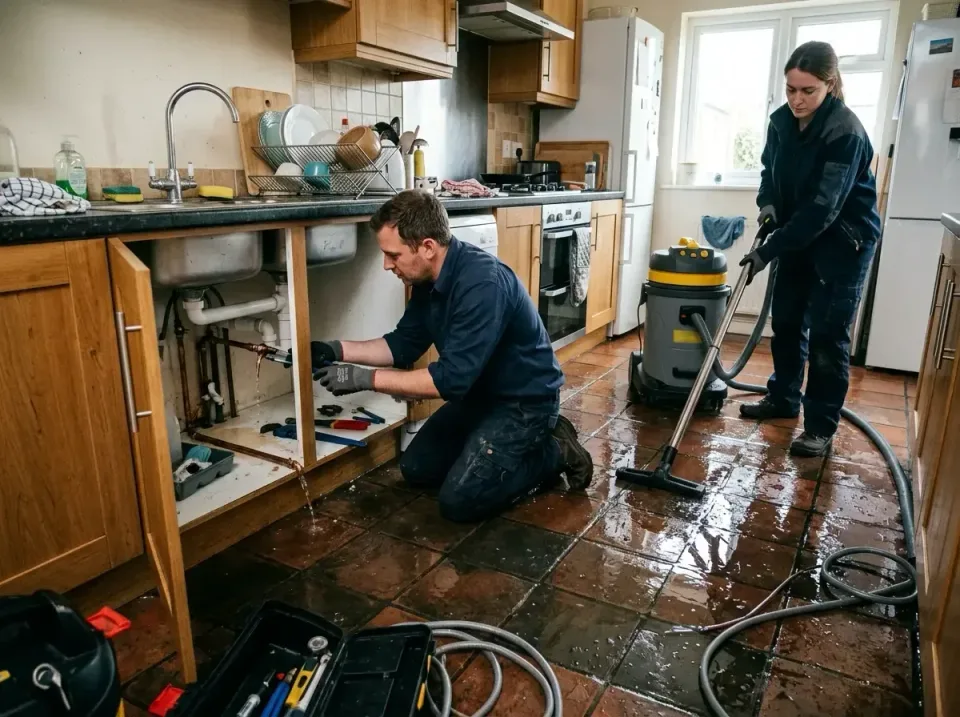
A frozen pipe needs controlled thawing and a check for splits before water is turned back on. We locate the affected section, inspect accessible joints and pipe surfaces, and choose a thawing method suited to the material and access. Freeze damage risk rises in exposed, unheated piping, so we pay particular attention to lines near exterior walls and unheated spaces.
Near the Alaska State Capitol, repair access and exposure can differ from one property to another. Coastal humidity and salt air can accelerate corrosion on exposed fittings, making a careful visual check useful even when freezing caused the immediate blockage. Freeze-thaw cycles also stress buried pipes and foundations, so an outdoor line may need closer assessment than an indoor fixture connection.
We explain what we find and recommend a repair matched to the pipe and site. Call (877) 773-0781 to arrange a scope review.
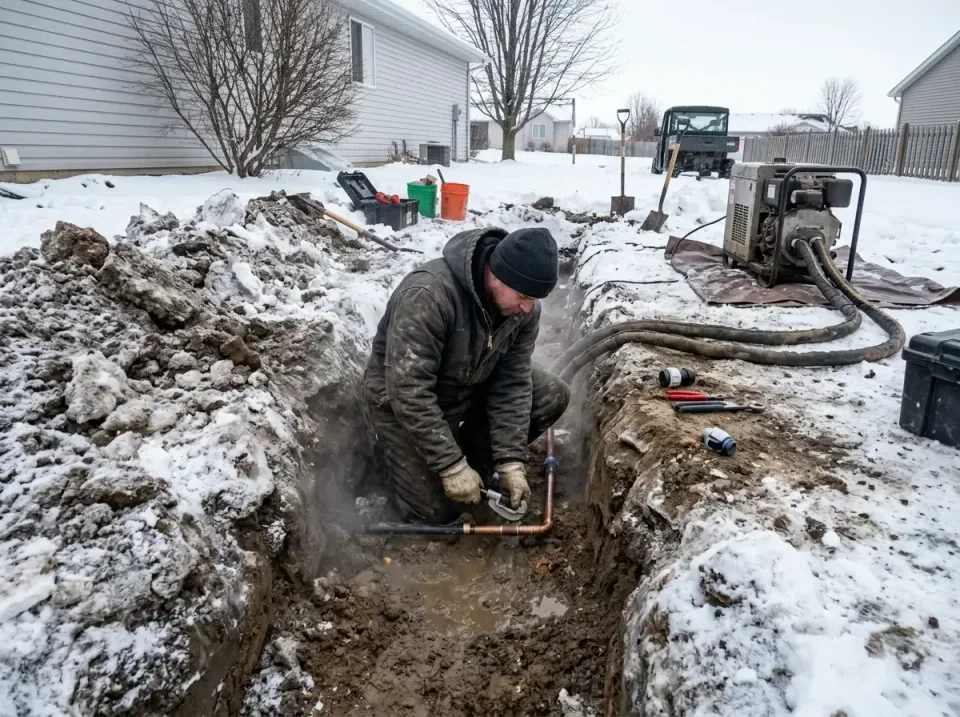
First, we confirm the affected area, access, and whether water is currently shut off. You can help by noting which fixtures have stopped flowing and sharing photos of any exposed pipe, frost, or water staining.
Next, we inspect the accessible line and discuss the proposed scope before work begins. At the Anchorage 5th Avenue Mall, nearby traffic and parking can affect how a visit is staged; at properties farther from Fairbanks International Airport, travel and access planning may need more coordination. A pipe near the Kenai River may also have a different route or exposure than an interior run, so we assess the actual site rather than assume a standard layout.
We thaw the affected section using a method suited to the pipe, then check joints and surrounding surfaces for leaks as flow returns. We do not treat thawing as proof that the pipe is sound. After explaining the result and any remaining concerns, we leave you with a clear account of completed work.
A frozen line in a home near the Alaska Highway can be difficult to reach safely, especially when outdoor access is blocked. Heavy snowfall can obstruct outdoor equipment access, so clearing a practical route before the visit can help the crew reach exposed piping and work areas.
A rushed thaw may warm one spot while leaving a neighboring section frozen, and excess heat can damage pipe or nearby finishes. We identify the pipe material and accessible route first, then use a controlled approach and inspect the line as it warms.
Alaska Native Heritage Center visitors know winter conditions can shape a trip; at a home, the same planning mindset helps us account for access without making assumptions about the property. Near the Alaska SeaLife Center, weather and site conditions still need to be evaluated at the home itself.
Interior summers can bring warm days and cool nights, so a seasonal temperature change does not rule out a cold section in an exposed space. We explain the findings plainly and recommend repair only where inspection supports it.
A frozen pipe behind a finished wall takes a different repair plan from an exposed line in a utility space. The main cost drivers are how much pipe is affected, the pipe material, access, and whether thawing reveals a split or damaged fitting. We inspect before recommending replacement.
Snowmelt can raise groundwater around basements, which may complicate access to a low-level pipe or the surrounding work area. Properties near the Wasilla Museum and Visitors Center still need an on-site assessment; the landmark does not determine the pipe route or repair scope.
Near Bering Land Bridge National Preserve, remote access and travel planning can also shape the work. High winds can damage exposed plumbing components, so outdoor lines may require inspection beyond the frozen section itself.
Final quotes vary by repair scope, equipment, access, and site conditions. Contact Alaska Plumbing Pros at (877) 773-0781 for a job-specific quote after we understand the affected line and access.
Pressure After an Outage
Before: Water pressure is low after a power outage, leaving the household unsure whether the well system has resumed normal operation. The cause may need checking before anyone changes pump settings or assumes the water line is frozen.
After: The technician records pressure readings before adjusting switch settings and verifies water flow and cycling after repairs. This gives the customer a clearer picture of system operation and helps distinguish a pressure issue from a frozen or damaged water line.
Ask whether qualifying field staff hold Alaska journeyman plumber certification and whether the business is a licensed, insured plumbing contractor. Knowing who will handle the work helps you understand the provider’s qualifications before agreeing to service.
The team coordinates from Anchorage and schedules work across Alaska based on location, weather, and parts availability. Asking how those factors affect your service schedule helps set clear expectations, especially when travel or remote access is involved.
Ask whether the technician needs access to the water lines, pump, pressure tank, or shutoff valves. Knowing what areas must be reachable helps you prepare the work space and lets the team confirm water access before dispatch.
Ask how the repair scope and any changes will be communicated before work proceeds. Clear terms help both sides understand what has been approved, what may require further discussion, and what the customer can expect from the service.
Call Alaska Plumbing Pros at (877) 773-0781 to discuss Frozen Pipe Repair; access near Homer Spit, Matanuska Glacier, or Juneau Downtown Historic District may shape scheduling.
Yes, Frozen Pipe Repair can address the current blockage and identify exposed sections that may be vulnerable to repeat freezing. Southcentral winters bring prolonged freezing temperatures, so ask us to review the line’s location and insulation conditions while we assess the repair.
Frozen Pipe Repair scheduling can require additional coordination when seasonal road access affects remote service scheduling. If your property is near Ketchikan Creek Street or Skagway Historic District, share the address and current access conditions when arranging a scope review.
No, do not force water through a pipe you suspect is frozen or damaged; a split may leak as the ice melts. Summer temperatures vary widely across Alaska, but warming weather alone does not confirm the line is intact, so watch for moisture and leave the line shut off if you see a leak.
For Frozen Pipe Repair, send the service address, photos of accessible pipe and visible water staining, and a note about which fixtures have stopped flowing. The Mendenhall Glacier Visitor Center and Nome Anvil City Square are recognizable location references, but the exact property access and pipe location are what help us plan.
Frozen Pipe Repair may be completed without opening a wall when the affected section is accessible and inspection finds no hidden damage. If the line is concealed, we explain what can be confirmed from available access before recommending any additional investigation.
Select a city to find local low water pressure repair providers we cover in Alaska.