Water Pressure Tank Repair
We repair potable-water pressure tanks for homes, checking tank size and connections; replacement commonly runs $800–$2,500, driven by tank size and installation access.
A submersible pump can run below ground while a home’s water supply falters, making the cause hard to spot from a faucet. Alaska Plumbing Pros handles submersible pump repair across Alaska, with service suited to well equipment and local conditions.
Browse all service options available across Alaska and choose the right fit for your project.
We repair potable-water pressure tanks for homes, checking tank size and connections; replacement commonly runs $800–$2,500, driven by tank size and installation access.
Booster Pump Repair covers pump diagnostics and component fixes for homes with inconsistent supply; typical repairs run $300–$1,200, depending on parts and diagnostics.
Well Pump Repair covers pump testing and repairs for homes, with replacement costs of $1,200–$4,500 depending on pump depth and type.
We repair leaking water lines for homeowners and contractors, including accessible pipe sections and excavation; repairs commonly run $400–$3,000 depending on pipe access.
Frozen Pipe Repair for Alaska homes includes locating and safely thawing frozen pipe sections; access, pipe material, and any split line affect the job scope.
We repair residential pressure regulators, checking valve condition and system readings; access and regulator size shape the job, typically $150–$400.
We diagnose sudden household pressure drops, testing flowing and static readings and system controls. Typical diagnostic visits run $100–$300, depending on testing and travel.
We repair or replace household shutoff valves, including accessible copper and PEX connections; typical jobs run $150–$500 depending on access and valve condition.
Clear clogged residential water lines and inspect accessible pipe sections; typical jobs run $250–$1,500, with price driven by blockage and access.
We repair well pressure switches for homeowners, including switch and wiring access; typical replacement runs $200–$600, depending on access.
Goulds Well Pump Repair covers residential pump diagnosis and component repairs; access, pump depth, and parts availability shape the job cost.
We repair residential water softeners, including control and resin-bed issues; diagnostic work is $100–$300, depending on testing and travel.
Shallow Well Pump Repair covers pump, foot-valve, and check-valve faults for private-well homes; access, pump type, and well depth shape the job cost.
Sediment Filter Replacement clears packed grit from residential filter housings; typical cartridge jobs run $150–$450, depending on filter size and access.
Air-in-line diagnosis and repair for Alaska homes, including accessible water-line checks; typical service runs $150–$500, depending on access and repair scope.
Grundfos Booster Pump Repair in Alaska: diagnose pump faults, inspect controls, and repair components. Call (877) 773-0781 for a scope review.
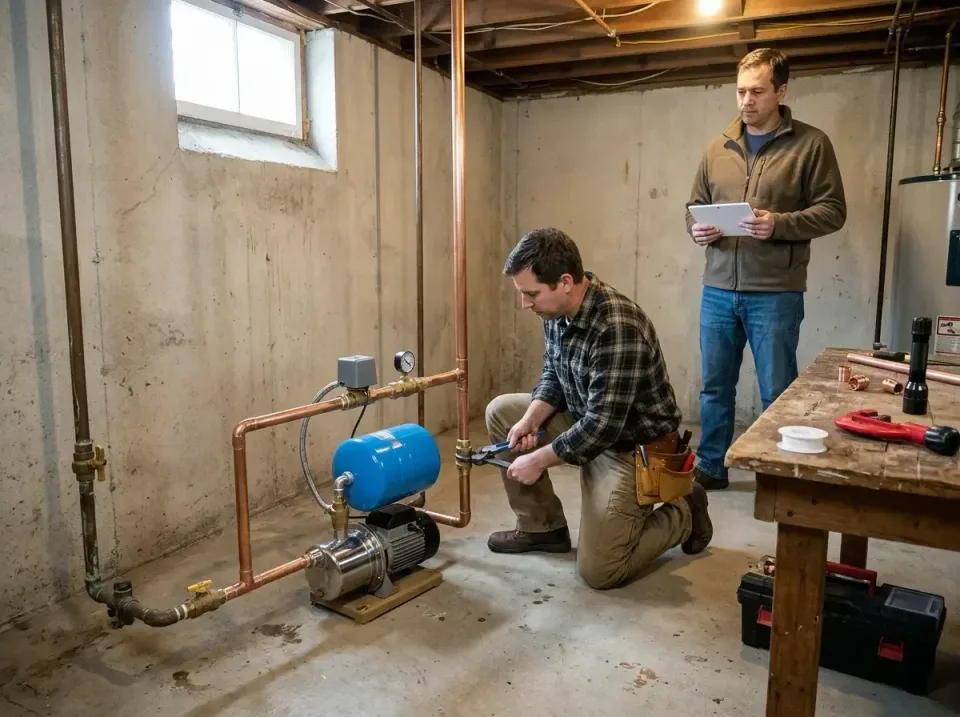
A submersible pump sits down in the well, so its condition cannot be judged by sound alone. We inspect the pump system before recommending a repair, considering well yield and vertical lift when checking whether the equipment fits the water demand.
The Alaska State Capitol is a useful reference point for statewide service, but a home’s well setup not its distance from a landmark sets the repair scope. Near Ketchikan Creek Street, coastal humidity and salt air can accelerate corrosion on exposed components, so note rust or damaged wiring you can see without opening equipment. Around the historic creek-side buildings, tight access may also affect how repair work is staged.
We explain what we find and outline a practical scope before work begins. For a review, call (877) 773-0781.
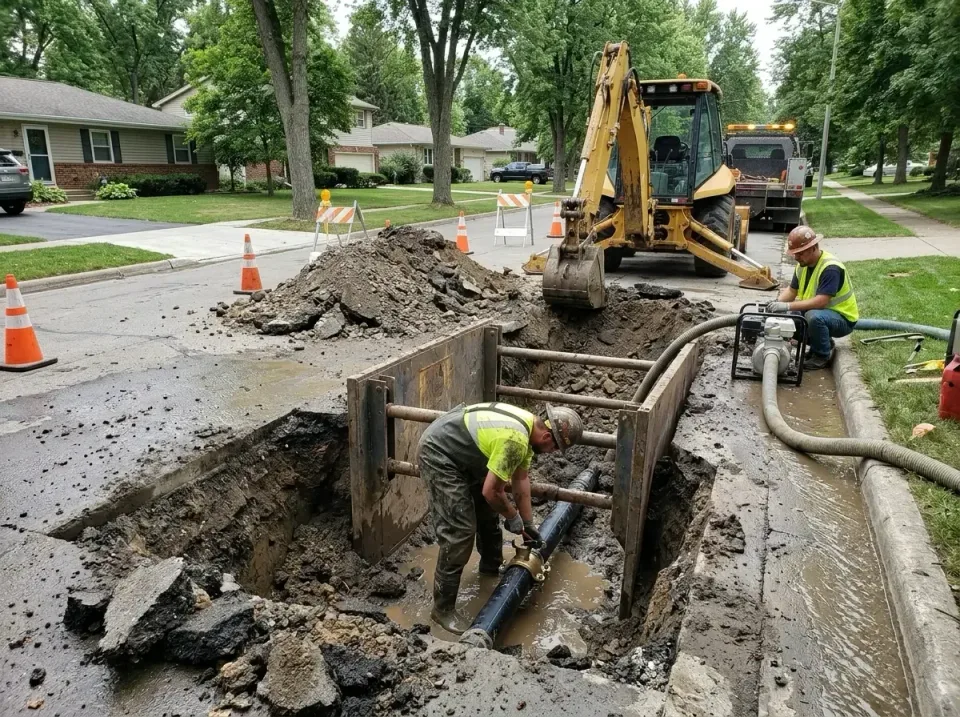
We begin by documenting the home’s symptoms and the well system’s available information. A pressure reading taken while water is flowing can differ from a reading taken with fixtures closed, so we compare conditions rather than relying on one number. Alaska well records may be available through state databases, which can help clarify well details when the owner has no paperwork.
Next, we assess whether the pump’s capacity suits the well yield and vertical lift, then explain the findings and proposed scope before work proceeds. Freeze-thaw cycles can stress buried pipes and foundations, so we consider whether a symptom could involve the surrounding water line rather than assume the pump itself has failed.
Interior Alaska experiences extreme winter cold, which can complicate site access and exposed equipment checks. The Anchorage Museum is a familiar local reference, but each property’s access and well layout determine the visit.
For background on pump behavior, see our Alaska well pump cycling guide.
A pump that keeps running or delivers uneven water can tempt a homeowner to replace the unit before confirming the cause. That can leave the original fault untouched. We check the well yield and vertical lift because pump sizing depends on both, and we explain why the proposed equipment fits the site before recommending replacement.
Heavy snowfall can obstruct outdoor equipment access, so we plan the work area and timing around safe access rather than assuming the wellhead is reachable. Near the Alaska Highway, travel and property access can affect how a visit is arranged; at Alaska SeaLife Center in Seward, the surrounding setting is a reminder that coastal sites have their own access needs.
Chena Hot Springs and Denali National Park and Preserve are far-flung reference points, not substitutes for checking the actual service location. We protect the work area, document findings, and discuss any needed approvals before altering plumbing or wiring. That measured approach helps avoid a rushed repair based on symptoms alone.
A pump that needs to be pulled from a deep well takes different labor and equipment than a repair with accessible components. Depth and pump type are major cost drivers, along with the work needed to reach, remove, inspect, and reinstall equipment. As a general reference, well pump replacement is commonly $1,200–$4,500; that range is not a fixed quote for every submersible pump job.
A visit near Anchorage 5th Avenue Mall may have straightforward access, while reaching a property near Eagle River Nature Center can involve different travel and site logistics. Prudhoe Bay illustrates how remote location can affect scheduling and access planning.
Southeast Alaska’s maritime, rainy climate can also make exposed equipment access more difficult. The Tony Knowles Coastal Trail and University of Alaska Fairbanks are useful geographic reference points, but the well’s depth and site conditions determine the work.
Final quotes vary by repair scope, equipment, access, and site conditions. Call (877) 773-0781 to review the job scope.
A washer that fills unusually slowly is a visible pressure warning. Notice whether the delay happens on every cycle or only when other water is running. That detail can help distinguish a fixture issue from a broader well-system concern.
Pressure that surges and then fades is worth tracking before it worsens. Pay attention to whether the change happens at several fixtures or during a particular household water use. A clear description helps the technician assess the pump and pressure controls.
A faucet that loses pressure during use can signal an emerging water-system problem. Notice whether the flow returns on its own and whether another fixture is running at the same time. These observations give a technician useful context for diagnosis.
Ask whether qualifying field staff hold Alaska journeyman plumber certification and whether the contractor is licensed and insured. Confirming who will work on the system and which credentials apply helps you understand the provider’s qualifications before agreeing to service.
Understanding the agreed scope in advance helps prevent confusion about decisions made during the job.
Call Alaska Plumbing Pros at (877) 773-0781 to discuss submersible pump repair and arrange a scope review for your Alaska property.
Yes, snowmelt can raise groundwater around basements, so tell the crew if water is collecting near the well system or access area. Sharing photos of the site can help Alaska Plumbing Pros understand access constraints before discussing the repair.
Yes, photos of the well cap, visible piping, and any accessible pump controls can help describe the setup without opening electrical equipment. A view of the route to the well is useful too, particularly for properties near the Kodiak National Wildlife Refuge.
Anchorage plumbing permit requirements should be verified before alterations, and pump wiring work may require Anchorage electrical permit approval. The Municipality of Anchorage Development Services Department can provide applicable permit guidance; Alaska Plumbing Pros can help identify the work involved.
Yes, combining work can make sense when inspection shows that the pump and another part of the well system both need attention. The University of Alaska Anchorage is a local reference, but the decision depends on the specific well; nearby spring snowmelt can raise groundwater around basements and affect site access.
After the repair, ask for an explanation of the work completed and any operating observations that should be watched. Sitka National Historical Park, Valdez Harbor, and Wrangell-St. Elias National Park and Preserve represent very different Alaska settings, so equipment access and follow-up needs depend on the property and location.
Select a city to find local low water pressure repair providers we cover in Alaska.