Water Pressure Tank Repair in Gateway, AK
We repair potable-water pressure tanks for homes, checking tank size and connections; replacement commonly runs $800–$2,500, driven by tank size and installation access.
Gateway’s cold continental winters put pressure systems in rural well-and-septic homes under a different seasonal strain than a steady indoor fixture test can reveal. A weak upstairs shower may trace to a pressure switch that is not reaching its intended cut-in and cut-out points; our crew checks its calibration before recommending parts.
A spring thaw can expose shifting or damaged water lines, so a new pressure drop after snowmelt deserves a look at the line as well as the pump. Walk the visible route and check for wet ground or a change in water flow, but leave buried piping and electrical controls to our team. That first observation can help us narrow the cause.
Our team diagnoses low flow in insulated wood-frame houses and rural properties by checking pressure behavior under use, not just with every tap closed. Pressure trouble? We trace it to the component or line causing it and explain the repair before work begins.
We’ll discuss access to the well equipment and plan around current site conditions.
We repair potable-water pressure tanks for homes, checking tank size and connections; replacement commonly runs $800–$2,500, driven by tank size and installation access.
Booster Pump Repair covers pump diagnostics and component fixes for homes with inconsistent supply; typical repairs run $300–$1,200, depending on parts and diagnostics.
Well Pump Repair covers pump testing and repairs for homes, with replacement costs of $1,200–$4,500 depending on pump depth and type.
We repair leaking water lines for homeowners and contractors, including accessible pipe sections and excavation; repairs commonly run $400–$3,000 depending on pipe access.
Frozen Pipe Repair for Gateway, AK homes includes locating and safely thawing frozen pipe sections; access, pipe material, and any split line affect the job scope.
We repair residential pressure regulators, checking valve condition and system readings; access and regulator size shape the job, typically $150–$400.
We diagnose sudden household pressure drops, testing flowing and static readings and system controls. Typical diagnostic visits run $100–$300, depending on testing and travel.
We repair or replace household shutoff valves, including accessible copper and PEX connections; typical jobs run $150–$500 depending on access and valve condition.
Clear clogged residential water lines and inspect accessible pipe sections; typical jobs run $250–$1,500, with price driven by blockage and access.
We repair well pressure switches for homeowners, including switch and wiring access; typical replacement runs $200–$600, depending on access.
Goulds Well Pump Repair covers residential pump diagnosis and component repairs; access, pump depth, and parts availability shape the job cost.
We repair residential water softeners, including control and resin-bed issues; diagnostic work is $100–$300, depending on testing and travel.
Shallow Well Pump Repair covers pump, foot-valve, and check-valve faults for private-well homes; access, pump type, and well depth shape the job cost.
Sediment Filter Replacement clears packed grit from residential filter housings; typical cartridge jobs run $150–$450, depending on filter size and access.
Air-in-line diagnosis and repair for Gateway, AK homes, including accessible water-line checks; typical service runs $150–$500, depending on access and repair scope.
Submersible pump repair for Gateway, AK homes includes well-depth and pump checks; replacement work typically runs $1,200–$4,500, depending on depth and pump type.
Grundfos Booster Pump Repair in Gateway, AK: diagnose pump faults, inspect controls, and repair components. Call (877) 773-0781 for a scope review.
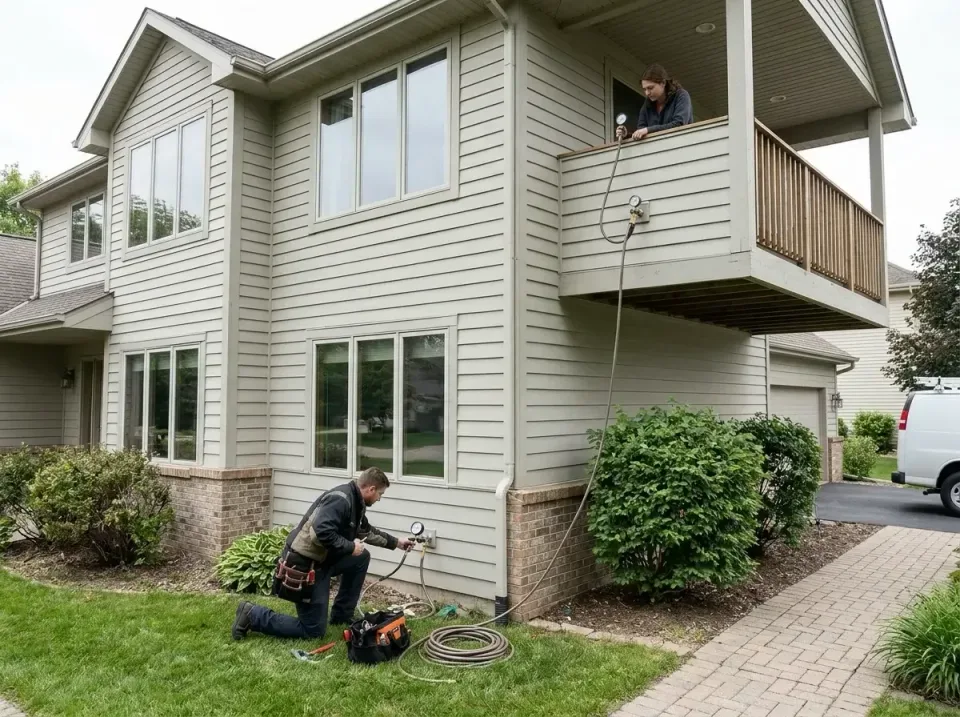
Gateway’s seasonal heavy snowfall can cover an outdoor wellhead or make equipment access difficult, so residents can help by keeping a safe path clear when practical. Warm short summers provide a useful window to check visible outdoor piping before winter returns.
Our team schedules low-pressure visits around equipment access and the details you share when booking; expect us to inspect the system, explain what we find, and recommend a repair suited to the property. We diagnose before replacing parts. Call (877) 773-0781 to arrange a visit.
A washer that fills slowly or a faucet that fades while another fixture runs can point to a pressure problem under demand. In Gateway, rural well-and-septic properties may need the pump and pressure controls checked together; our crew measures system behavior and checks for a failing component before suggesting a repair. You can note whether the drop affects one tap or several.
Seasonal road access can affect when equipment and our crew can reach a property, so share driveway and wellhead access details when scheduling. Southcentral winters bring prolonged freezing temperatures; an exposed line may need attention if flow changes after a cold spell. We serve properties in ZIP codes 99654 and 99645.
Exposed plumbing near a Gateway wellhead can take a beating in high winds; a loose or damaged visible connection may show up as reduced flow or a leak. Our crew inspects accessible components and checks pressure behavior before deciding whether a repair is needed. Don’t open pump controls yourself.
For homes with a softener, a restriction in that equipment can reduce flow at several fixtures. We check whether water pressure changes across the treatment equipment before recommending water softener repair.
A potable-water pressure tank also needs to be matched to the household system; our team checks its condition and connection rather than treating tank storage capacity as usable drawdown. Keep the route to the equipment clear for inspection.
Before altering a Gateway plumbing system, confirm which requirements apply to the property and scope of work. Keep the work description and inspection records with the property documents.
The EPA Lead and Copper Rule applies to public water systems, not automatically to every private well. The Safe Drinking Water Act also protects public water systems, so the water source matters when determining what rules apply.
American Water Works Association guidance can inform water-system practice, but it does not replace local requirements. Anchorage permit guidance is specific to Anchorage; Gateway customers should verify applicable local approvals rather than assume those rules govern here. We record pressure readings before adjusting switch settings.
Alaska Plumbing Pros coordinates service across Alaska and brings local well-system experience to Gateway homes.
Well pumps, pressure tanks, and frozen lines are familiar parts of plumbing work around Anchorage. That background helps the crew account for Alaska water systems when diagnosing low pressure in Gateway.
Technicians check the pump, pressure switch, tank, regulator, and water lines, then explain the findings and practical repair plan. You can understand the proposed scope before work begins.
Service is coordinated from Anchorage, with scheduling based on location, weather, and parts availability. The crew keeps you informed about timing and what the pressure diagnosis covers.
The crew checks the water system, explains the cause, and verifies flow after the agreed repair.
Confirm Access
On the first call, the team confirms well power and water access before dispatch. You know what access to prepare, while scheduling accounts for your location and parts availability.
Inspect the System
A technician locates the shutoff valves and pressure tank, then checks the pump, switch, regulator, and water lines. During electrical inspection, pump circuits stay off for safety.
Repair and Verify
After the agreed repair, the crew protects exposed piping from freezing and checks water flow and pump cycling. You can see whether the system is operating as expected.
A washer that fills unusually slowly can be an early sign of reduced water supply. Notice whether the change continues across different loads; that detail can help describe the issue when arranging service.
A faucet that loses pressure while running may signal a developing supply issue. Pay attention to whether the flow changes at one tap or elsewhere in the home, and share that pattern with the provider.
Water that surges and then fades is a visible change worth tracking. Note when it happens and which fixtures are affected so the technician has useful context without guessing at the cause.
Spring snowmelt and changing ground conditions can make it useful to check water-system performance. Addressing pressure concerns during spring helps you understand whether the pump and lines are responding as expected as outdoor conditions shift.
Warm, short summers bring a good opportunity to handle water-pressure repairs while exposed piping and outdoor access are easier to work around. A technician can also account for the home’s well setup and the parts needed.
Fall is a practical time to address pressure concerns before cold weather makes exposed piping more vulnerable. Planning service around local conditions gives the crew a chance to protect piping during the work.
Cold continental winters and heavy snowfall can affect access and exposed water lines. The crew schedules around weather and takes care to protect exposed piping from freezing while carrying out pressure-related service.
Power-Related Pressure Change
Before: After a power outage, water pressure may be lower than usual. The change can leave household water use inconvenient, and it may be unclear whether the well system has returned to normal operation.
After: Once the system has been checked and any agreed repair is complete, the technician verifies water flow and pump cycling. If pressure changes again, note when it occurs and let the provider know.
Ask whether field staff handling the job hold the relevant Alaska journeyman plumber certification. The contractor states that qualifying field staff are certified, so you can confirm who is assigned to your service.
Ask how location, weather, and parts availability affect scheduling in Gateway. The team coordinates from Anchorage, and knowing what may affect timing helps you plan access without assuming an immediate visit.
Confirm which system components and checks are included, and what findings you will receive. Clear scope helps you understand what the visit covers before agreeing to any additional repair work.
Ask whether the technician needs access to the well, pump, pressure tank, shutoff valves, or electrical areas. Confirming access needs ahead of dispatch can help the visit proceed without avoidable delays.
Ask for the contractor’s licensing and insurance information and review the written terms for the work. Checking those details helps you understand who is responsible for the service and what you are agreeing to.
Request a quote online or contact our Gateway, AK team directly by phone or email.
Notice whether the drop affects one fixture or several, and whether it happens only when water is running. In a Gateway rural well-and-septic property, that pattern helps our team decide what to inspect. Do not open electrical pump controls; call (877) 773-0781 if the pressure change continues.
Yes. A switch that is not responding at the intended pressure points can affect how the pump maintains water flow. Our team checks switch operation and records pressure readings before recommending an adjustment or repair.
Yes. We schedule low-pressure service in Gateway ZIP codes 99654 and 99645. When arranging a visit, tell us whether the wellhead or indoor equipment is difficult to access.
Low Water Pressure Repair is also available in these nearby communities across Alaska.